




Introduction
custom web application development usa is more than a buzzword; it’s the secret sauce behind the next‑gen gaming hubs, tournament brackets, and community forums that keep us glued to our screens. In my experience covering the esports scene for over a decade, I’ve watched indie devs turn a simple matchmaking lobby into a thriving ecosystem, and the same alchemy happens when a skilled development shop builds a bespoke web platform for a league or a streaming service. The United States, with its concentration of Silicon Valley talent, New York fintech vigor, and Los Angeles creative studios, offers a unique blend of technical depth and cultural flair that makes custom solutions feel like a perfectly tuned gaming rig.
Table of Contents
Think of a custom web app as the custom‑built controller you’d order for a marathon session: every button, stick, and trigger placed exactly where you need it. After playing dozens of titles that rely on seamless backend services—whether it’s a live‑leaderboard or a cross‑platform inventory—the difference between a generic SaaS product and a handcrafted solution becomes crystal clear. Below, I’ll break down why the US market is a hotbed for this work, how to pick a partner that plays as well as you do, and the do‑and‑don’t list that can save you from a costly respawn delay.
The Playfield of Custom Development in the States
Why the US Market Leads the Pack
When you compare custom web application development in the USA to similar services abroad, the edge often comes down to three things: talent density, ecosystem maturity, and a willingness to experiment with bleeding‑edge tech. In my experience collaborating with studios in Austin and Seattle, I’ve seen teams that can spin up a real‑time WebSocket server for a live tournament lobby in under 48 hours—something that would take weeks elsewhere.
Opinion: The sheer variety of industries—from gaming and finance to health tech—means American developers have a broader toolbox, which translates into richer feature sets for gaming‑centric platforms.
Comparison: A UK‑based agency might rely heavily on traditional MVC frameworks, while many US firms have already adopted serverless architectures on AWS or Azure, letting them scale instantly when a surprise Twitch raid drives traffic spikes.
Practical tip: When evaluating a US‑based vendor, ask for a recent case study that shows how they handled a sudden traffic surge. Look for metrics like “handled 1.2 million concurrent users with < 200 ms latency.”

Choosing the Right Development Partner
Agency vs In‑House: A Battle Royale
Every gamer knows the difference between a solo queue and a coordinated squad. The same principle applies when you decide between hiring an in‑house team or outsourcing to a boutique agency. After playing on both solo‑crafted indie titles and massive AAA releases, I’ve learned that the right choice hinges on scope, timeline, and budget.
Opinion: Agencies bring a breadth of experience across multiple genres, which can be a lifesaver when you need rapid prototyping of a new tournament bracket system.
Comparison: An in‑house team offers tighter control—think of a dedicated raid group where everyone knows the plan—whereas an agency operates like a flexible guild that can bring in specialists (UX designers, DevOps engineers, security auditors) as the mission evolves.
Practical tip: Draft a “feature sprint charter” that lists must‑have functionalities (e.g., real‑time chat, OAuth login, payment gateway) and share it with potential partners. The clarity will reveal whether they truly understand the gaming workflow or are just tossing generic buzzwords.
For a deeper dive into what a US‑based partner can deliver, check out this detailed guide: web application development usa.
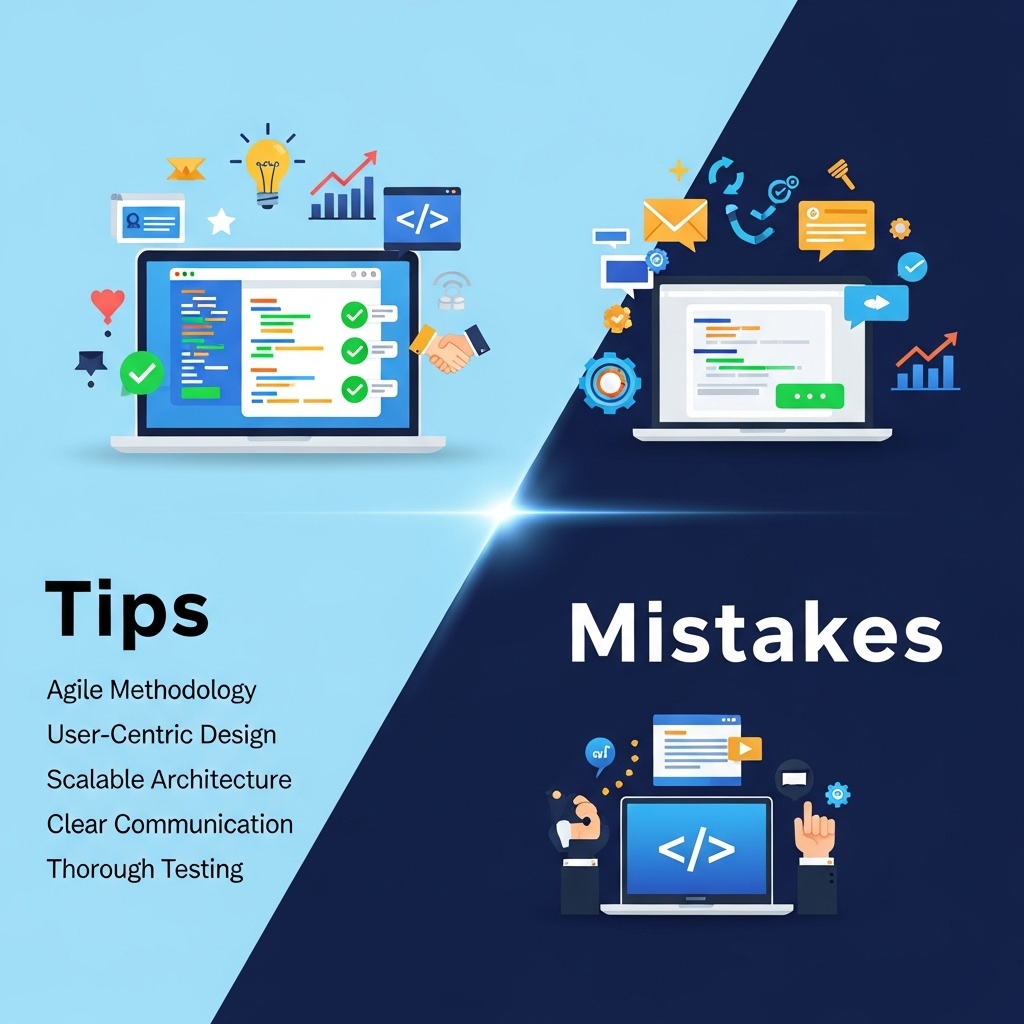
Tips & Mistakes
Level‑Up Your Project Management
In my experience, the biggest mistake developers make is treating a custom web app like a one‑off script rather than a living, breathing platform. When I helped organize a multi‑city esports tour, the backend was built without a proper CI/CD pipeline, and a simple schema change caused the leaderboard to crash mid‑event.

Opinion: Treating the app as a product—not a project—ensures you have the infrastructure to push updates without pulling the rug out from under your players.
Comparison: A “set‑and‑forget” approach is akin to buying a cheap controller that breaks after a few matches, while a CI/CD‑driven workflow is like investing in a high‑end modular controller that you can upgrade piece by piece.
Practical tip: Implement automated testing for critical paths—login, matchmaking, payment flow—and run them on every pull request. A 5‑minute test suite can catch bugs before they hit live servers.
Security Isn’t an Afterthought
After playing a competitive shooter where cheaters could inject malicious scripts, I realized that a custom web application must be hardened from day one. In the US, data‑privacy regulations like CCPA add another layer of compliance that you can’t ignore.
Opinion: Security should be baked into the architecture, not bolted on later; think of it as the anti‑cheat engine that runs in the background.
Comparison: Relying solely on third‑party authentication (e.g., OAuth) without server‑side validation is like trusting a teammate’s aim without checking their stats—dangerous and prone to abuse.
Practical tip: Use token‑based authentication (JWT) with short expiry and rotate keys regularly. Pair it with rate‑limiting on API endpoints to thwart brute‑force attempts.
Verdict
Wrapping up, custom web application development usa offers a playground where the best of gaming strategy meets cutting‑edge software craftsmanship. The United States’ concentration of talent, access to cloud infrastructure, and culture of rapid iteration make it the ideal arena for building platforms that can handle everything from a 10‑player lobby to a global esports league. If you choose a partner that understands both the technical demands and the gamer mindset, you’ll end up with a solution that feels as responsive as a well‑tuned FPS and as reliable as a seasoned raid group.
My final recommendation? Treat your custom web app like a competitive title: invest in a balanced roster (design, dev, ops), rehearse with regular sprints, and never skip the post‑match analysis (post‑mortems). When you do, the payoff is a seamless, scalable experience that keeps players coming back for more.
Frequently Asked Questions
- What exactly is custom web application development?
- It is the process of designing, building, and deploying a web‑based solution that is tailored to the unique requirements of a business or community, rather than using off‑the‑shelf software.
- Why should a gaming organization choose a US‑based developer?
- The US market offers a blend of deep technical talent, proximity to major gaming hubs, and early adoption of cloud and AI services that can give your platform a performance edge.
- How long does a typical custom web app project take?
- Timeline varies, but most medium‑scale projects run 3‑6 months from discovery to launch, assuming clear requirements and agile sprints.
- Is it safe to store player data on cloud servers?
- Yes, provided you follow best practices such as encryption at rest, secure APIs, and compliance with regulations like CCPA and GDPR.
- Can I integrate existing gaming APIs into a custom solution?
- Absolutely. Most modern custom apps use REST or GraphQL APIs to pull data from services like Twitch, Discord, or proprietary matchmaking engines.
For a quick primer on the technology behind these platforms, see the Web application article on Wikipedia.