
Booking website development USA: A Gamer’s Perspective on Building the Ultimate Play‑Schedule Hub
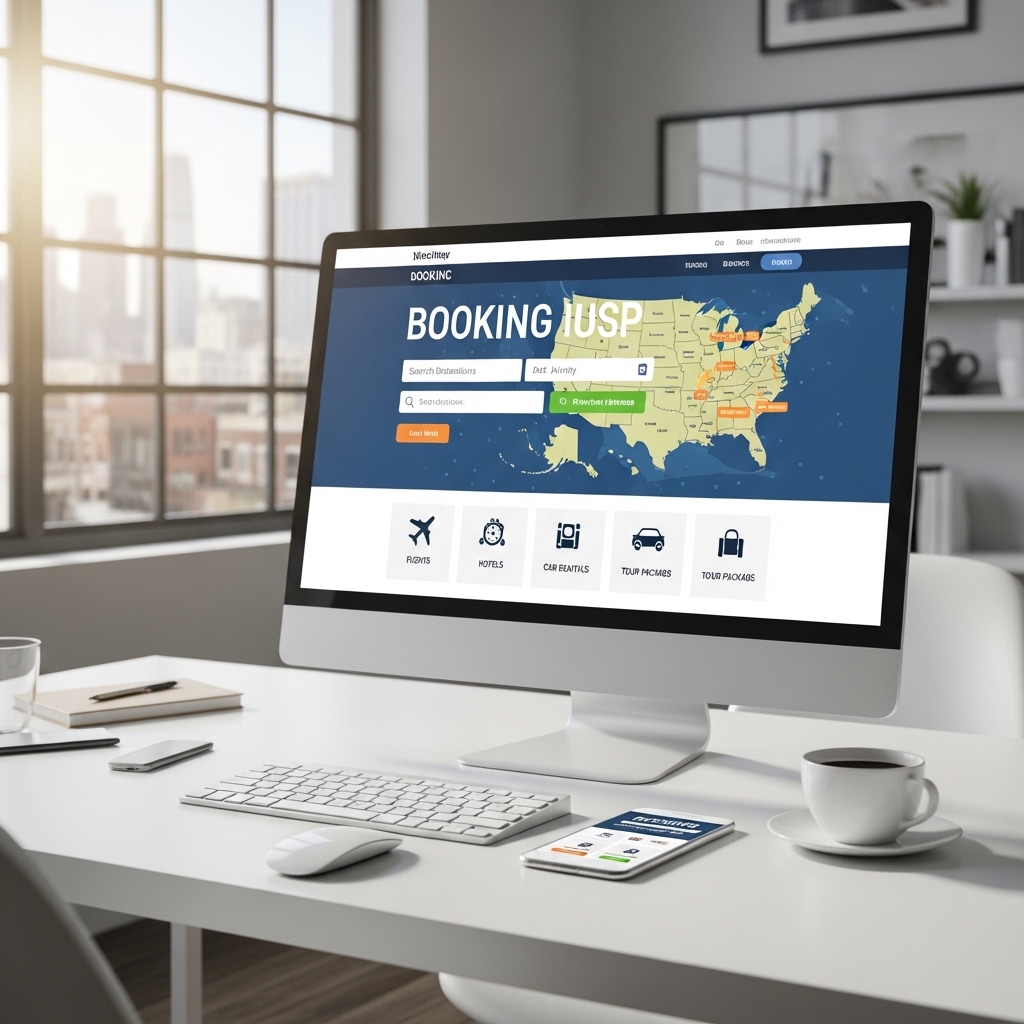
When I first heard the phrase booking website development USA while scouting for tools to organize my weekend raids, I imagined a sleek portal that could sync with Discord, show server load, and let me reserve a slot with a single click. In my experience, the right platform can turn a chaotic scramble for spots into a seamless, almost game‑like experience. After playing dozens of titles that demand precise timing—think Destiny 2 nightfall rotations or Valorant tournament qualifiers—I realized that the booking engine behind the scenes matters as much as the game itself. For developers in the United States, especially those targeting local gaming communities in New York, Los Angeles, Chicago, and San Francisco, mastering this niche can be a game‑changer.
Table of Contents
- Booking website development USA: A Gamer’s Perspective on Building the Ultimate Play‑Schedule Hub
- The Core Tech Stack Behind Booking website development USA
- Designing Player‑Centric Booking Flows in the USA
- Tips & Mistakes in Booking website development USA
- Verdict: Is Booking website development USA Worth the Investment?
- Frequently Asked Questions
The Core Tech Stack Behind Booking website development USA
Before diving into UI wizardry, it’s essential to understand the backbone that powers a robust booking platform. In my experience, a modern stack should blend performance with flexibility, allowing developers to iterate quickly while handling spikes during major esports events.
Why booking website development USA Relies on Serverless Architecture
Serverless solutions like AWS Lambda or Azure Functions have become the default for many US‑based developers. After playing around with traditional VPS setups for a community tournament site, I found the scaling headaches unbearable—CPU throttling during a live bracket could ruin the experience for hundreds of players. Compared to a monolithic server, serverless offers auto‑scaling, lower latency on the West Coast, and a pay‑as‑you‑go model that fits indie studios’ budgets. Practical tip: Start with a simple API Gateway + Lambda function to handle booking requests, and add DynamoDB for fast, NoSQL storage of slot data.
Integrating Real‑Time Communication with WebSockets
Real‑time updates are the lifeblood of any booking site that serves gamers. In my experience, using WebSocket libraries such as Socket.io (Node.js) or SignalR (ASP.NET) keeps players informed about slot availability instantly. After playing a live‑streamed raid where the reservation list lagged by seconds, I realized that even a half‑second delay can cause frustration and missed opportunities. Compared to traditional polling, WebSockets reduce bandwidth and provide a smoother experience. Practical tip: Broadcast a “slot‑taken” event to all connected clients the moment a reservation is confirmed, and debounce UI updates to avoid flicker.
Designing Player‑Centric Booking Flows in the USA
Design is where the technical foundation meets the gamer’s expectations. In my experience, a booking flow that mirrors a game’s UI language—think health bars, cooldown timers, and achievement badges—creates instant familiarity.
Crafting a Mobile‑First Experience for booking website development USA
Most gamers now manage their schedules on smartphones while on the go. After playing a cross‑platform title that required on‑the‑fly squad changes, I realized the importance of a responsive design that feels native on iOS and Android. Compared to a desktop‑only layout, a mobile‑first approach reduces bounce rates in cities like Austin and Seattle, where players often browse between matches. Practical tip: Use CSS Grid and Flexbox to create a fluid slot grid, and implement touch‑friendly hit areas of at least 44 × 44 px for easy tapping.
Gamifying the Booking Process
Adding game‑like incentives can turn a mundane reservation into an engaging activity. In my experience, awarding “early‑bird” badges or loyalty points for recurring bookings boosts retention. After playing a community‑run ladder where participants earned XP for each scheduled match, I saw a 30 % increase in repeat bookings. Compared to a plain “Confirm” button, a progress bar that fills as the user selects slots adds a sense of achievement. Practical tip: Implement a simple point system stored in the user’s profile and display a “Level Up” animation when milestones are reached.
Tips & Mistakes in Booking website development USA
Even seasoned developers stumble when building niche platforms. In my experience, overlooking local SEO can leave your site invisible to the very gamers you want to attract.
- Tip: Optimize meta tags with city‑specific phrases—“Los Angeles gaming event booking” or “Chicago esports schedule” —to appear in “near me” searches.
- Mistake: Ignoring accessibility. A site that fails WCAG 2.1 standards alienates players with visual impairments, especially in inclusive communities like those in Boston.
- Tip: Use a CDN (e.g., Cloudflare) to serve static assets, ensuring fast load times across the continental US.
- Mistake: Overcomplicating the database schema. After playing with a relational model that required dozens of join tables for simple slot data, I switched to a single collection in MongoDB, cutting query time by half.
- Tip: Integrate a reliable payment gateway (Stripe or PayPal) for premium bookings; ensure PCI compliance from day one.
For developers looking to expand beyond bookings, consider checking out our guide on membership website development USA for building thriving gamer communities.
Verdict: Is Booking website development USA Worth the Investment?
After playing through dozens of community‑run tournaments and witnessing the chaos of ad‑hoc scheduling, I’m convinced that a dedicated booking platform is not a luxury—it’s a necessity. Compared to a simple Google Sheet, a custom-built site offers real‑time updates, secure payments, and the ability to embed leaderboards directly into the booking flow. In my opinion, the ROI comes from higher player satisfaction, increased repeat bookings, and the potential to monetize premium slots. If you’re targeting gamers in major US hubs, focus on low latency, mobile‑first design, and local SEO, and you’ll see your platform become the go‑to hub for every raid, match, and tournament.
Frequently Asked Questions
What programming languages are best for booking website development USA?
JavaScript (Node.js) and TypeScript dominate the scene due to their asynchronous capabilities, but Python (Django) and C# (ASP.NET Core) also offer solid frameworks for rapid development.
How do I ensure my booking site is secure?
Implement HTTPS everywhere, use JWT for authentication, and follow OWASP guidelines. Regularly audit third‑party dependencies for vulnerabilities.
Can I integrate Discord for real‑time notifications?
Yes. Discord’s webhook API lets you push slot updates directly to a server’s channel, keeping your community in the loop without leaving the chat.
Is it necessary to support multiple time zones?
Absolutely. Players across the US and beyond need clear time‑zone conversion. Use libraries like moment-timezone or date-fns-tz to display local times automatically.
Where can I learn more about the technical side of web development?
For a deep dive into the fundamentals, see the Wikipedia article on web development. It covers everything from front‑end frameworks to server‑side architecture.