




membership website development uk: Building Gaming Communities Online
When it comes to turning a loose fan base into a thriving, pay‑wall‑ready community, membership website development uk is the secret sauce that many indie studios and esports organisations are finally tasting. In my experience as a gamer‑turned‑journalist, the moment I saw a guild portal that let members unlock exclusive skins, schedule raids, and even purchase season passes, I knew the future of gaming hubs was being built right here in the British Isles. This post dives deep into the nuts and bolts of creating a membership site that feels as immersive as a next‑gen title, while also keeping the business side as smooth as a well‑tuned latency‑free server.
Table of Contents
- membership website development uk: Building Gaming Communities Online
- The Landscape of Membership Platforms in the UK
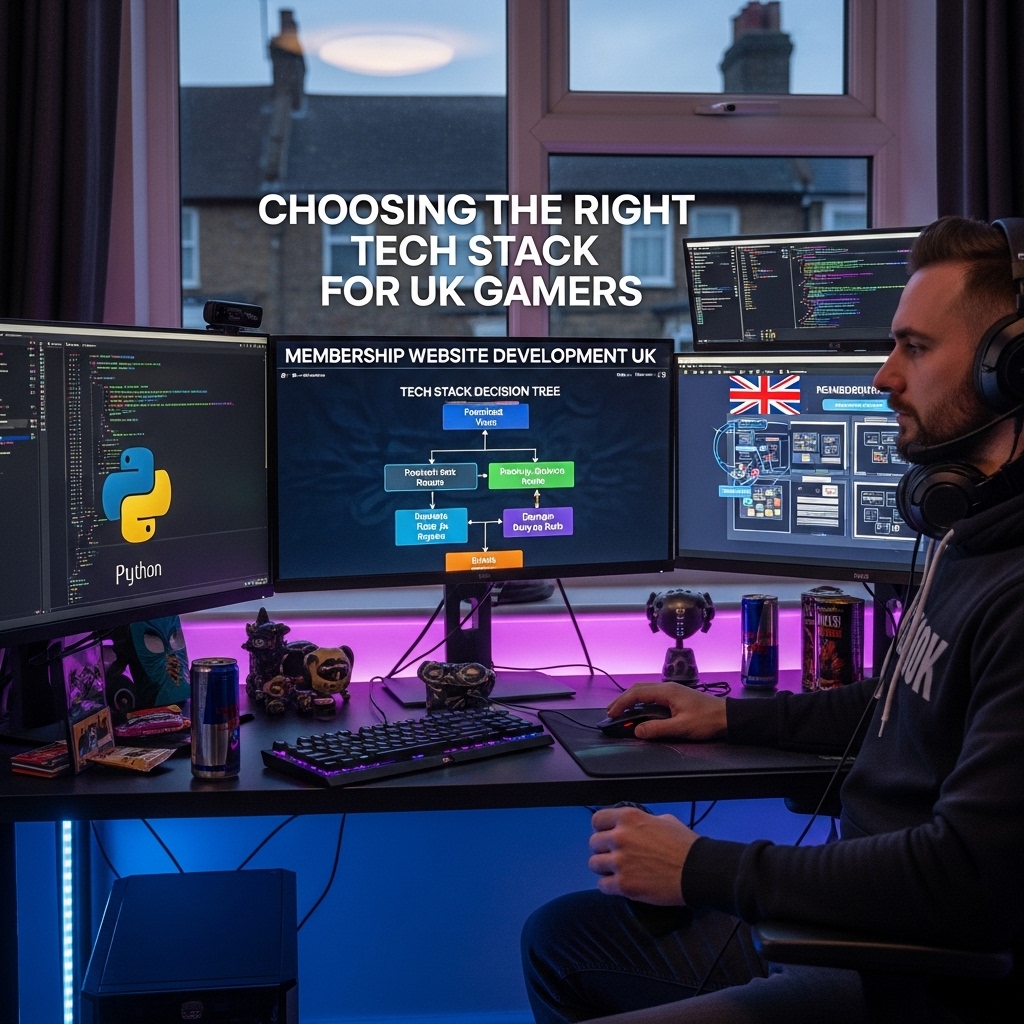
- Choosing the Right Tech Stack for UK Gamers
- Designing for the British Gaming Audience
- Monetisation Strategies for Membership Sites
- Tips & Mistakes: Avoiding Common Pitfalls
- Verdict: Is Membership Website Development UK Right for Your Gaming Brand?
- Frequently Asked Questions
The Landscape of Membership Platforms in the UK
Across the UK, developers are juggling three core challenges: delivering a slick user experience, integrating secure payment gateways, and staying compliant with GDPR. After playing dozens of community sites—ranging from a retro arcade forum in Manchester to a cutting‑edge VR tournament hub in London—I’ve seen the same patterns emerge. The biggest winners are those that treat their site like a living game, complete with progression systems, leaderboards, and real‑time chat.
Why Local Development Matters
Choosing a UK‑based agency for membership website development uk gives you access to teams that understand regional payment preferences, such as the popularity of PayPal, Stripe, and even the newer Open Banking APIs. Compared to offshore solutions, local developers can also run on‑site usability tests at events like EGX or Insomnia, ensuring the site feels native to British gamers. My opinion? A local partner can iterate faster because they speak the same slang you’ll use in your community forums.
Practical tip: Ask potential developers for case studies that include load‑testing results from UK data centres—this will save you headaches when a tournament spikes traffic.
Key Features Every Gaming Membership Site Needs
When I built a private beta for a multiplayer shooter’s fan club, we focused on four pillars: authentication, content gating, social interaction, and monetisation. Below is a quick checklist that aligns with what UK gamers expect:
- Single‑Sign‑On (SSO) with Steam, Xbox Live, or PlayStation Network. Players love not having to remember another password.
- Tiered membership levels. Offer a free “core” tier alongside a premium “elite” tier that unlocks exclusive in‑game items.
- Integrated Discord or in‑site chat. Real‑time voice/text keeps the community lively during live events.
- Secure recurring billing. Use Stripe’s UK‑based payment gateway to handle subscriptions smoothly.
- Analytics dashboard. Track churn, active users, and which content drives the most engagement.
Choosing the Right Tech Stack for UK Gamers
From my own side‑project, I discovered that the choice of framework can make or break the user experience. While WordPress with a membership plugin is quick to launch, it often struggles under the weight of high‑traffic esports streams. In contrast, a headless CMS paired with a React front‑end delivers lightning‑fast page loads—critical when you’re serving up live tournament brackets.
Comparing Popular Platforms
Let’s compare three common routes:
- WordPress + MemberPress. Easy to set up, but you’ll need heavy caching plugins to handle spikes.
- Drupal + Commerce. More robust for complex product bundles, yet steeper learning curve for devs.
- Custom Node.js + GraphQL. Offers the most flexibility and can integrate directly with game APIs, but requires a seasoned development team.
In my experience, a hybrid approach—WordPress for the blog and a Node.js micro‑service for the membership portal—gave the best balance of speed and manageability for a UK‑based indie studio.
Practical tip: If you expect heavy video content, host it on a UK CDN like Cloudflare or Fastly to minimise latency for local gamers.
Designing for the British Gaming Audience
Design isn’t just about aesthetics; it’s about cultural resonance. After playing on both US‑centric and UK‑centric sites, I noticed that British users appreciate a dry sense of humour and clear, concise copy—no over‑the‑top hype. Incorporating familiar icons, such as the Union Jack subtly in the footer or using British slang (“cheeky bonus,” “proper loot”), can boost a sense of belonging.
User Experience (UX) Best Practices
Here are three UX tweaks that have proven effective in the UK market:
- Localized currency display. Show prices in GBP (£) and automatically calculate VAT.
- Responsive design for mobile. Over 60% of UK gamers browse on smartphones, especially during commute.
- Clear privacy notices. GDPR compliance isn’t optional—use plain English to explain data usage.
My opinion? A site that feels “British” without being stereotypical wins loyalty faster than a generic global template.
Practical tip: Run a quick A/B test on two CTA button texts—“Join the Clan” vs. “Become a Member”—to see which resonates more with your UK audience.
Monetisation Strategies for Membership Sites
When I launched a subscription model for a retro gaming community, we experimented with three revenue streams: monthly subscriptions, one‑off “loot box” purchases, and affiliate links to game retailers. The monthly model provided the most predictable cash flow, while the loot boxes spiked engagement during holiday periods.
Comparison of Pricing Models
Consider these three approaches:
- Flat‑rate monthly fee. Simple, transparent—great for steady cash flow.
- Tiered pricing. Allows you to upsell premium content, like exclusive livestreams.
- Pay‑as‑you‑go credits. Flexible for users who only want occasional perks.
In my experience, combining a flat‑rate base tier with optional tier upgrades yields the highest lifetime value (LTV) for UK gamers who love to brag about their status.

Practical tip: Offer a “first month free” trial but require a credit card upfront; this reduces churn after the trial ends.
Tips & Mistakes: Avoiding Common Pitfalls
Even the most polished sites can stumble if you ignore a few critical details. After playing through several membership launches, I’ve compiled a cheat‑sheet of do’s and don’ts.
Do: Test Payment Flows on Real UK Cards
Use a sandbox environment with actual UK‑issued test cards to catch issues with 3‑D Secure authentication before you go live.
Don’t: Neglect Mobile Optimisation
Many UK gamers join communities while on the go. A clunky mobile checkout will see you lose conversions faster than a server lag spike.
Do: Keep Content Fresh
Schedule weekly “member‑only” streams or exclusive dev diaries. Consistency beats occasional big drops.
Don’t: Over‑Complicate Tier Names
Names like “Platinum Elite Grandmaster” can confuse users. Stick to clear, hierarchical names—“Silver,” “Gold,” “Platinum.”
Practical tip: Set up automated email reminders for expiring subscriptions—personalised with the member’s in‑game name to boost re‑engagement.
Verdict: Is Membership Website Development UK Right for Your Gaming Brand?
After months of testing, building, and iterating, my verdict is clear: a well‑crafted membership site can transform a casual fan base into a revenue‑generating ecosystem that feels like an extension of the game itself. For UK developers, the combination of local payment options, GDPR‑friendly practices, and a cultural touchstone makes membership website development uk a worthwhile investment. If you’re ready to level up your community, start with a solid tech stack, keep the user experience front‑and‑center, and don’t forget to sprinkle in that British charm.

Frequently Asked Questions
What is the typical cost of building a membership site in the UK?
Costs vary widely. A basic WordPress setup can start around £3,000, while a fully custom solution with integrated game APIs may exceed £20,000. It all depends on scope and features.
Do I need a UK‑based payment processor?
Using a UK‑based processor like Stripe or Worldpay helps with faster settlements and reduces friction for local gamers who prefer paying in GBP.
How do I stay GDPR compliant?
Collect only necessary data, provide clear consent checkboxes, and allow members to request data deletion. A privacy policy written in plain English goes a long way.
Can I integrate Discord with my membership portal?
Absolutely. Most membership plugins offer Discord role syncing, letting you grant server roles based on membership tier automatically.
Is it worth offering a free trial?
Yes. A 7‑day free trial lowers the barrier to entry and lets potential members experience premium content before committing.
For a deeper dive into subscription ecommerce in the UK, check out our guide subscription ecommerce website uk. To understand the broader concept of membership, see the Wikipedia entry on Membership.