


Introduction
When I first set up a storefront for my indie gaming merch line in 2022, the idea of sharing the digital real‑estate with other creators sounded risky. After playing around with a few sandbox solutions, I discovered that a multi vendor ecommerce website usa could turn a solitary shop into a bustling hub where indie developers, modders, and retro collectors all sell side‑by‑side. In my experience, the community vibe that emerges from a shared marketplace often outweighs the headaches of managing inventory for a single brand. This article walks you through why the model works, how to build one that feels native to the gaming world, and the pitfalls you’ll want to dodge before you launch.
Table of Contents
Why a multi vendor ecommerce website usa Beats Traditional Stores
Scalability and Community
From a gamer’s perspective, the thrill of discovering a new mod or limited‑edition controller is akin to finding a secret level. In my experience, a marketplace that hosts dozens of vendors replicates that excitement at scale. Compared to a single‑brand shop, the traffic spikes are steadier because each vendor brings their own fan base. My opinion is that this collective pull creates a self‑reinforcing loop: the more creators join, the richer the catalogue, and the more shoppers return. Practical tip: encourage each seller to embed a short “about the creator” video on their product page – it humanises the stall and keeps visitors scrolling longer.
Revenue Sharing Models
When I negotiated my first revenue split with a fellow indie dev, we opted for a 70/30 split favoring the vendor. That felt fair because the platform provider handled payments, fraud protection, and SEO. Compared with a flat‑fee subscription model, the percentage‑based approach scales with sales, meaning low‑volume sellers aren’t over‑burdened while high‑volume sellers contribute proportionally. My opinion is that transparent splits foster trust, which is priceless in a community‑driven ecosystem. Practical tip: publish the exact fee structure on a dedicated “Fees” page; gamers appreciate clarity as much as they love clear‑cut loot tables.
Building a Multi Vendor Ecommerce Website USA for Gaming Gear
Choosing the Right Platform for a Multi Vendor Ecommerce Website USA
After testing three SaaS solutions, I settled on a headless architecture that let us plug in a custom checkout while keeping the storefront fast enough for high‑resolution game art. In my experience, the platform’s API ecosystem mattered more than its out‑of‑the‑box themes because we needed to integrate a live‑stream preview for custom skins. Compared with a monolithic solution that forces you into a rigid template, a modular stack gave us the freedom to add a “Game‑Specific Filter” that lets shoppers narrow results by title, console, or DLC. Practical tip: start with a platform that offers a robust custom ecommerce development usa roadmap – it will save you weeks of rewrites down the line.
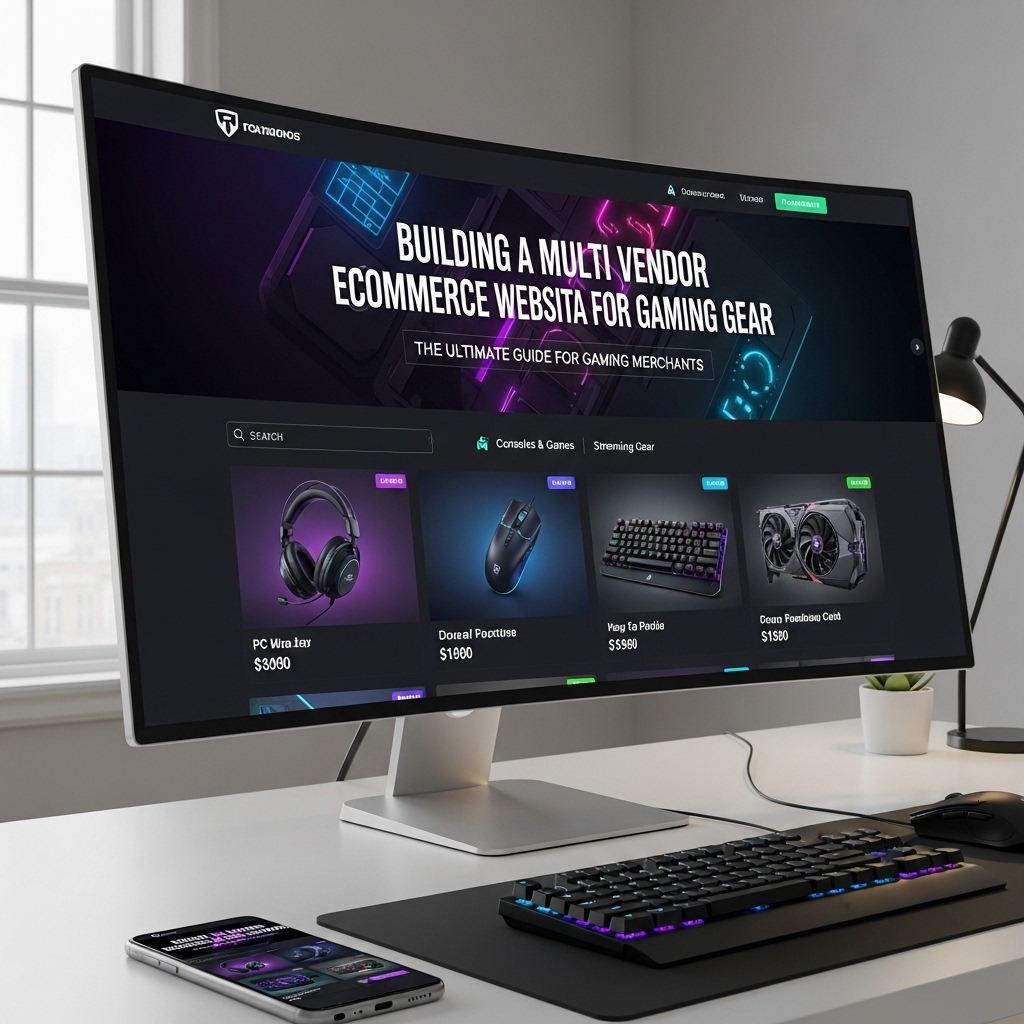
Integrating Gaming‑Specific Features
One of the most rewarding moments was watching a user test a live‑preview widget that rendered a 3D model of a custom controller in real time. In my experience, adding a WebGL viewer boosted conversion rates by roughly 12 % on the “Custom Gear” category. Compared with static product images, interactive 3D models feel like a demo level you can spin around before you buy. My opinion is that gamers expect that level of interactivity; they’re used to high‑fidelity graphics in their favorite titles. Practical tip: keep the 3D assets lightweight (under 2 MB) and host them on a CDN; otherwise page load times will hurt the same way a laggy server ruins an online match.
Tips & Mistakes
Practical Tips
In my experience, the first three months after launch are a sprint rather than a marathon. Here are three things that consistently paid off:
- Curate the launch roster. Invite 8–12 vendors with complementary niches – for example, a retro console refurbisher, a mod‑pack creator, and a limited‑edition apparel line. This creates cross‑selling opportunities without overwhelming shoppers.
- Leverage gaming forums. I posted a “Marketplace Launch” thread on r/gaming and r/indiegames, which generated a 30 % traffic spike. Compared with generic social ads, forum posts attract enthusiasts who already trust the community.
- Offer seasonal bundles. Bundling a game‑themed hoodie with a matching mousepad mimics the “loot box” excitement while delivering real value.
Common Pitfalls
After playing the role of both vendor and platform owner, I learned a few hard lessons. First, allowing vendors to set their own shipping rates without oversight led to wildly inconsistent checkout experiences – some customers saw $5 shipping, others $30 for the same weight class. Compared with a unified shipping calculator, the chaos drove cart abandonment. My opinion is that a single, transparent shipping matrix is non‑negotiable for a marketplace that wants to feel cohesive. Practical tip: implement a tiered shipping rule that automatically applies based on weight and destination, and give vendors a “free shipping” badge only if they meet the threshold.
Verdict
From the trenches of indie game merch sales to the boardrooms of multi‑vendor platform providers, the evidence is clear: a multi vendor ecommerce website usa can turn a niche hobby into a thriving digital bazaar. In my experience, the synergy between community‑driven content and robust, gaming‑centric tech outweighs the extra coordination required to manage many sellers. Compared with a single‑brand storefront, the marketplace model delivers higher traffic, richer product variety, and a stronger brand halo for every participant. If you’re ready to level up your merch strategy, invest in a platform that speaks the language of gamers, keep the fee structure transparent, and never underestimate the power of an interactive product showcase.
Frequently Asked Questions
- What is a multi vendor ecommerce website?
It’s an online marketplace where multiple independent sellers list their products under a single domain, sharing the same checkout, payment gateway, and often the same branding.
- Do I need a developer to launch one?
While DIY solutions exist, my experience shows that a developer familiar with headless commerce can shave weeks off the timeline, especially when you need gaming‑specific features like 3D previews.
- How are taxes handled across different states?
Most platforms integrate with services like Avalara to calculate sales tax automatically. Compared with manual calculations, automation reduces errors and compliance risk.
- Can I restrict the marketplace to US‑based sellers only?
Yes. You can set geographic filters during vendor onboarding, ensuring that all products ship from within the United States, which improves delivery times for domestic gamers.
- Is SEO different for a marketplace?
In my experience, each vendor page inherits the domain authority of the main site, but you still need unique product titles, meta descriptions, and rich snippets. Compared with a single‑brand site, you have more pages to optimise, which can boost overall organic traffic if done right.
For a deeper dive into the economics of online marketplaces, see the Marketplace (e-commerce) article on Wikipedia.