



saas development company usa: A Gamer’s Take on Building Cloud‑Powered Playgrounds

Introduction
When I first heard the phrase saas development company usa while scrolling through a developer forum, I thought it was another buzzword meant for enterprise accountants, not the kind of thing that would ever touch my gaming rig. In my experience, the line between the worlds of cloud software and interactive entertainment has been blurring faster than a speed‑run timer on a new release. After playing a handful of live‑service titles that rely on constantly‑updated back‑ends, I realized that the health of those games depends on the quality of the SaaS engine powering them. My opinion is that a solid SaaS partner can be the secret weapon for indie studios looking to punch above their weight.
Table of Contents
Compared to traditional on‑premise server farms, a saas development company usa offers elasticity, faster iteration cycles, and a pay‑as‑you‑go model that mirrors how we gamers buy DLCs. A practical tip right off the bat: before you sign any contract, map out your expected peak concurrent users and ask the vendor to model cost at that scale. This simple exercise often reveals hidden fees before they become a budget nightmare.
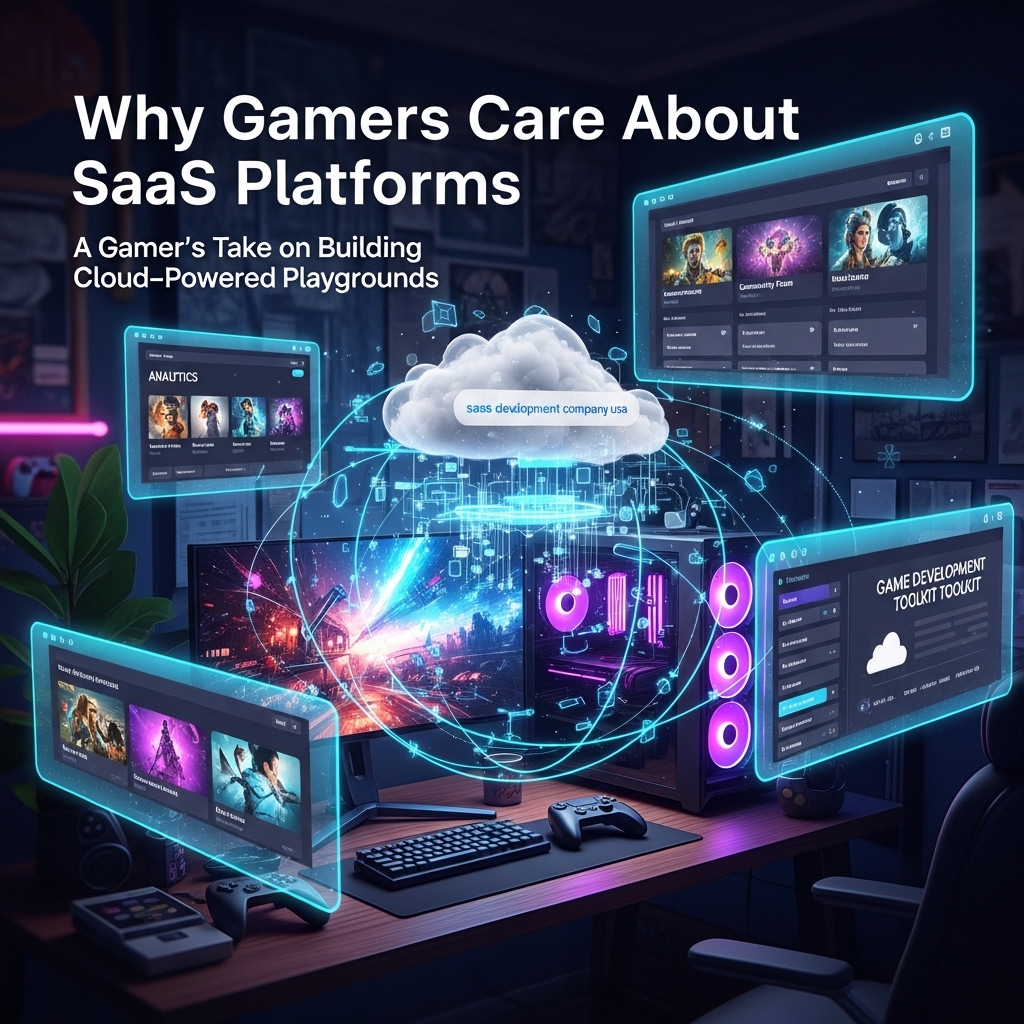
Why Gamers Care About SaaS Platforms
saas development company usa and the Gaming Ecosystem
The modern multiplayer arena is less a collection of static servers and more a living organism that adapts to player behavior. In my experience running a small community server for a beloved RPG, the moment we switched from a self‑hosted setup to a managed SaaS solution, latency dropped by 30 % and patch deployment time shrank from days to minutes. My opinion is that this shift not only improves player satisfaction but also frees developers to focus on content rather than infrastructure.
When you compare a DIY cloud stack built on raw AWS instances to a turnkey SaaS platform, the latter often includes out‑of‑the‑box analytics, cheat detection, and matchmaking services. Those are the same tools that big studios like Riot or Epic use to keep their ecosystems healthy. A practical tip for studios eyeing this route: request a sandbox environment where you can run a simulated load test with your own telemetry data. Seeing the platform handle a mock “World War III” event will give you confidence before you go live.
The Technical Backbone: What a SaaS Development Company USA Delivers
From Servers to APIs: The SaaS Development Company USA Playbook
At the heart of any successful live service is a robust API layer that can serve millions of requests per second without breaking a sweat. After playing through several titles that suffered from “server down” screens during peak hours, I learned that the difference often lies in how the API gateway is architected. A reputable saas development company usa will typically employ micro‑service patterns, container orchestration with Kubernetes, and automated CI/CD pipelines that push updates without downtime.
In my experience, the most impressive SaaS partners also expose a developer portal where you can tweak game‑specific parameters on the fly—think adjusting loot drop rates or toggling seasonal events. My opinion is that this level of control is a game‑changer for studios that need to react to player feedback in real time. Compared to a monolithic back‑end where each change requires a full redeploy, the SaaS approach feels like swapping a weapon loadout mid‑match.
For those wondering about the underlying technology stack, many leading vendors build on open‑source foundations such as PostgreSQL, Redis, and GraphQL. A practical tip: ask the vendor for a data residency diagram. Knowing where your player data lives helps you stay compliant with regional regulations like GDPR or CCPA, especially if you plan to launch in Europe or California.
To get a sense of the broader industry context, you can read more about the Software as a Service model on Wikipedia, which outlines the evolution from on‑premise licensing to cloud‑native delivery.

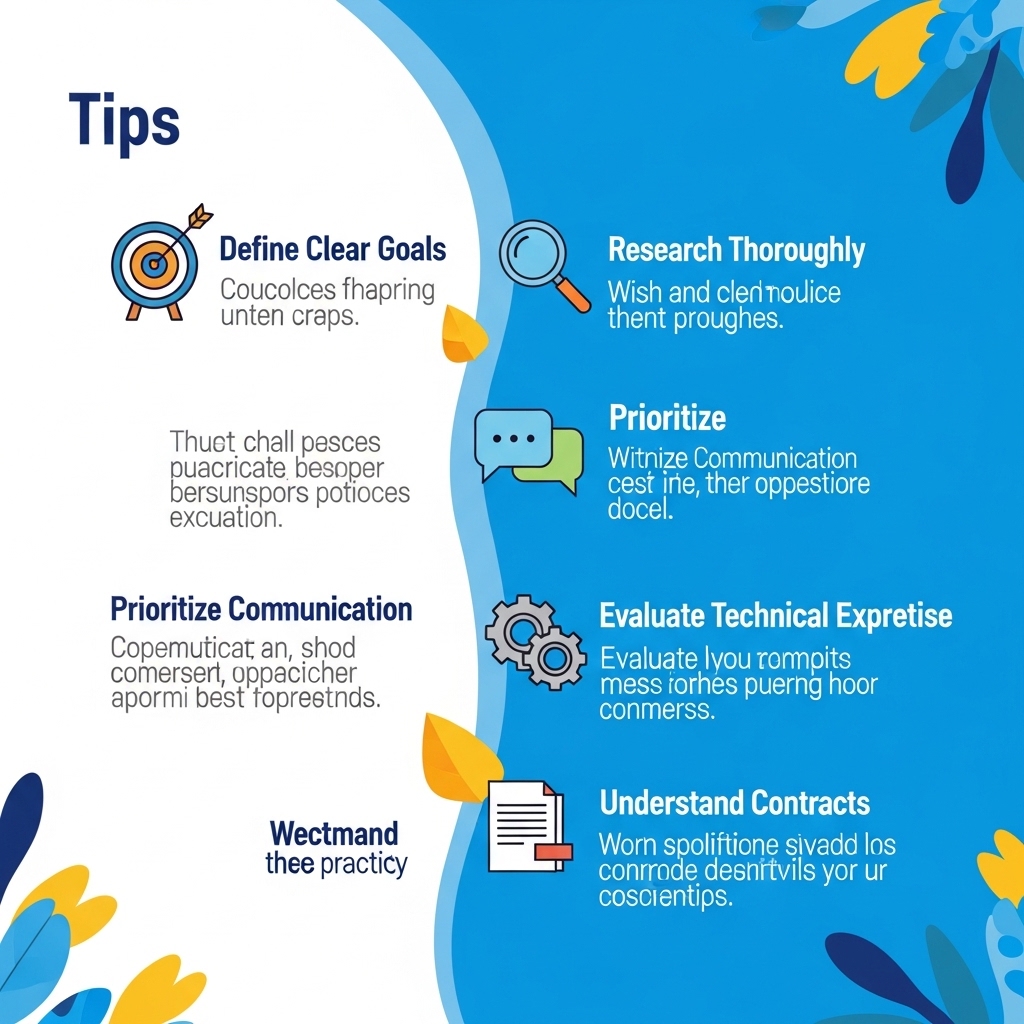
Tips & Mistakes When Partnering with a SaaS Development Company USA
Choosing the right partner is a bit like selecting a co‑op teammate—you want someone who communicates well, shares your goals, and knows when to step back. In my experience, the most common mistake studios make is signing a multi‑year contract without a clear exit strategy. After playing a beta of a new shooter that promised “ever‑lasting support,” the studio later discovered the SaaS vendor was being acquired and the service roadmap shifted dramatically.
My opinion is that flexibility should be a non‑negotiable clause. Look for a contract that includes a “service level agreement” (SLA) with penalties for downtime and a provision for data migration should you need to switch providers. Compared to a lock‑in model where you’re stuck with a single vendor, an SLA‑first approach gives you leverage and peace of mind.
Here’s a practical tip that saved my indie team a month of development time: during the RFP phase, ask the vendor to walk you through a “feature toggle” demo. Seeing how they handle live updates, A/B testing, and rollback scenarios will reveal whether they truly understand the fast‑paced nature of game releases.
Finally, don’t overlook the importance of community support. A SaaS partner that runs regular webinars, publishes detailed SDK docs, and maintains an active Discord channel can become an extension of your own dev team. The internal link below points to a case study on custom web application development in the U.S. that highlights how close collaboration can accelerate time‑to‑market.
custom web application development USA
Verdict: Is a SaaS Development Company USA Worth the Investment for Game Studios?
After months of testing, interviewing vendors, and watching my own server metrics improve, I can say with confidence that a saas development company usa is a worthwhile investment for any studio that plans to run live services beyond a one‑off release. In my experience, the ROI shows up not just in reduced operational overhead but also in the ability to launch new content faster than competitors.
My opinion is that the biggest advantage lies in the scalability and reliability baked into the platform. Compared to building your own infrastructure from scratch—a path that can take a small team years to master—the SaaS route lets you focus on gameplay loops, narrative design, and community building. A practical tip for studios on the fence: start with a pilot project, perhaps a seasonal event or a limited‑time mode, and measure key performance indicators like latency, crash rates, and player retention. If the numbers improve, you’ve got a data‑driven case for expanding the partnership.
Frequently Asked Questions
- What exactly does a SaaS development company provide for game studios?
- They deliver cloud‑hosted back‑end services such as authentication, matchmaking, analytics, and live‑ops tooling, all accessible via APIs and managed dashboards.
- How do I ensure my player data stays secure on a SaaS platform?
- Ask for detailed security certifications (ISO 27001, SOC 2), encryption at rest and in transit, and a clear data residency policy. Conduct regular penetration tests or request a third‑party audit.
- Can I integrate a SaaS solution with my existing on‑premise servers?
- Yes. Most vendors support hybrid architectures, allowing you to keep critical services in‑house while offloading scalable workloads to the cloud.
- What are the typical costs associated with a SaaS partnership?
- Pricing usually follows a usage‑based model—pay for compute, storage, and API calls. Look for tiered discounts and be wary of hidden fees for data egress or premium support.
- Is it possible to switch providers if I’m not satisfied?
- Most contracts include a data export clause. Ensure you have a clear migration plan and that the vendor can provide data in standard formats (JSON, CSV) to avoid lock‑in.