- Furniture & Architectural Solutions for Modern Workspaces
- info@sgrconcept7.in
- 91 XXXXX XXXXX
The modern workplace is no longer simply a location where employees perform their daily tasks. It has evolved into a dynamic environment that directly influences productivity, creativity, collaboration, and employee well-being. As organizations continue to adapt to changing workforce expectations and business requirements, workspace design has become a strategic investment rather than just an operational necessity.
A thoughtfully designed workspace has the power to inspire employees, improve efficiency, foster innovation, and create a positive organizational culture. On the other hand, poorly planned environments can lead to distractions, discomfort, reduced morale, and lower productivity.
Smart workspace design focuses on creating environments that support the needs of employees while aligning with organizational goals. By combining functionality, aesthetics, ergonomics, technology, and flexibility, businesses can create workplaces that empower people to perform at their best.
At SGR CONCEPT 7, we believe that every workspace should be designed to enhance productivity and create meaningful experiences. Through innovative furniture and architectural solutions, organizations can transform ordinary spaces into powerful drivers of success.
Smart workspace design is the process of creating environments that optimize the way people work, collaborate, and interact. It goes beyond furniture placement and interior aesthetics. Instead, it considers how space influences behavior, performance, and workplace satisfaction.
A smart workspace takes into account:
By addressing these factors, organizations can create workplaces that support both business objectives and employee needs.
Workspace design has a direct impact on organizational performance. Employees spend a significant portion of their day in the workplace, making the environment a critical factor in their overall experience.
A well-designed workspace can:
Organizations that prioritize workplace design often experience higher levels of employee engagement and operational efficiency.
Productivity is influenced by numerous factors, including comfort, focus, accessibility, and workplace atmosphere.
When employees work in poorly designed spaces, they may face challenges such as:
These issues can negatively affect concentration and performance.
Smart design eliminates these barriers by creating environments that support efficient workflows and employee comfort. Employees can focus on their responsibilities without being hindered by physical or environmental obstacles.
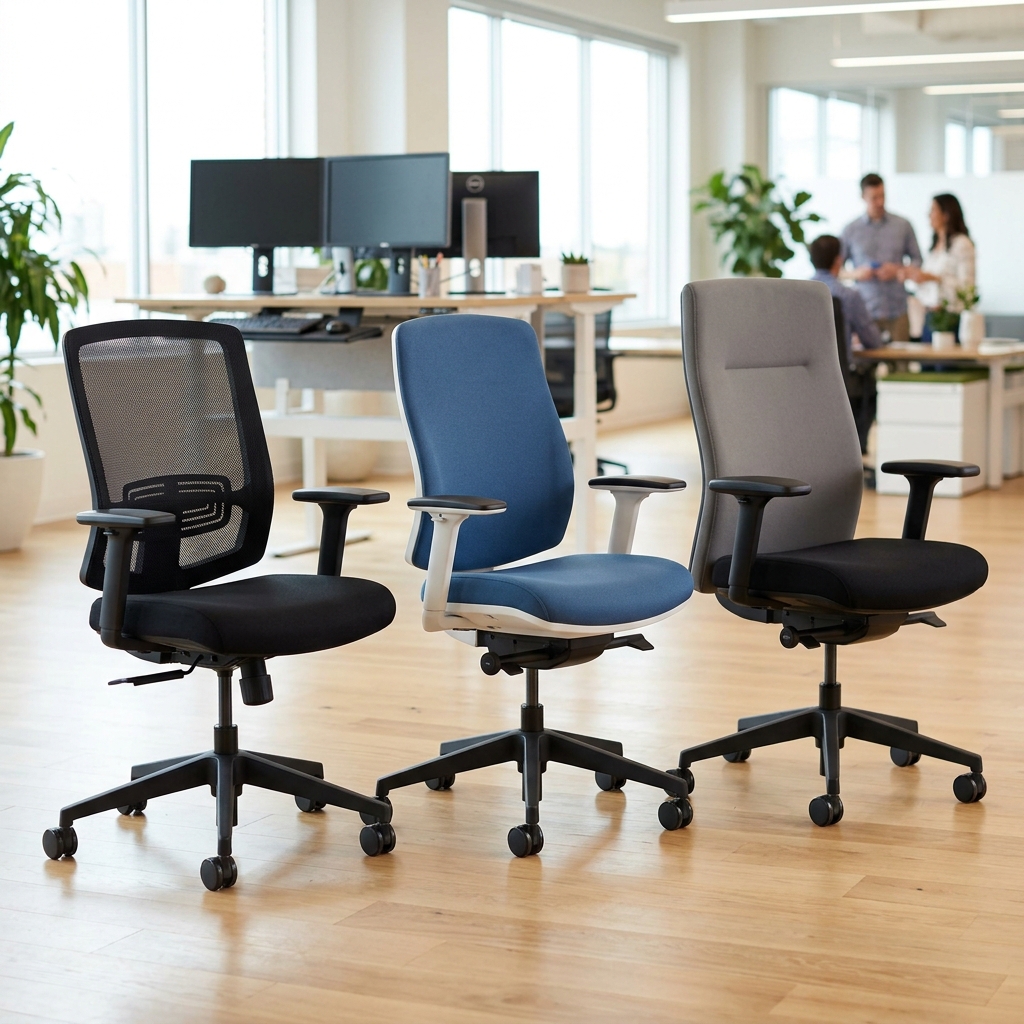
One of the most important components of a productive workspace is ergonomic furniture.
Employees who spend long hours sitting at desks require furniture that supports healthy posture and reduces physical strain.
Ergonomic chairs and desks provide support for the body, reducing discomfort during extended work periods.
Proper lumbar support helps maintain healthy spinal alignment.
Comfortable workstations minimize physical stress and help employees stay energized throughout the day.
Employees can focus more effectively when they are comfortable and free from pain or discomfort.
Investing in ergonomic furniture demonstrates an organization’s commitment to employee well-being.
Today’s workforce requires greater flexibility than ever before.
Hybrid work models, project-based teams, and changing business requirements demand spaces that can adapt quickly.
Flexible work environments often include:
Furniture systems that can be easily reconfigured to accommodate different activities and team sizes.
Dedicated spaces designed for brainstorming, meetings, and teamwork.
Quiet zones that support concentration and individual work.
Areas that can serve multiple functions depending on organizational needs.
Flexible design allows businesses to maximize the value of their workspace while supporting diverse work styles.
Collaboration drives innovation and problem-solving.
Modern workplaces increasingly incorporate spaces specifically designed to encourage communication and teamwork.
Examples include:
These environments promote interaction and knowledge sharing while helping teams work more effectively together.
By creating opportunities for collaboration, organizations can foster stronger relationships and encourage creative thinking.
Noise is one of the most common workplace distractions.
Open-plan offices often create challenges related to concentration and privacy. Employees may struggle to focus when surrounded by conversations, phone calls, and other interruptions.
Acoustic solutions play a critical role in workplace productivity.
These products help reduce noise levels and create environments that support focused work.
Improved acoustics contribute significantly to employee satisfaction and productivity.
Lighting has a profound impact on workplace effectiveness.
Poor lighting can lead to:
Smart workspace design prioritizes lighting solutions that enhance comfort and visibility.
Natural daylight improves mood, focus, and overall well-being.
Different tasks require different lighting conditions.
Proper positioning of workstations minimizes screen reflections.
Balanced lighting contributes to a more pleasant work environment.
Well-designed lighting systems help employees remain alert and productive throughout the day.
Employee well-being is increasingly recognized as a key driver of organizational success.
Healthy employees are generally more engaged, motivated, and productive.
Workspace design can support well-being through:
Organizations that prioritize well-being often experience stronger workplace culture and improved employee retention.
Effective space planning ensures that every square foot serves a purpose.
Poorly organized workspaces can lead to inefficiencies, congestion, and wasted resources.
Smart space planning focuses on:
Understanding how employees move and interact within the workspace.
Creating designated areas for specific activities.
Ensuring easy movement throughout the workplace.
Designing spaces that can accommodate organizational expansion.
Proper planning allows organizations to maximize both productivity and operational efficiency.
Technology plays a central role in today’s workplace.
Smart workspace design incorporates technology solutions that support communication, collaboration, and productivity.
Examples include:
Integrating technology seamlessly into the workspace enhances user experience and supports modern ways of working.
A workspace is often a reflection of an organization’s values, culture, and vision.
Thoughtful design can strengthen brand identity by incorporating:
A well-designed workplace communicates professionalism and creates a memorable experience for employees and visitors alike.
Sustainability has become a major consideration for businesses worldwide.
Organizations are increasingly seeking environmentally responsible solutions that reduce their ecological footprint.
Sustainable workplace design may include:
These practices contribute to environmental responsibility while often reducing long-term operational costs.
Workplace design will continue to evolve as organizations adapt to changing workforce expectations and technological advancements.
Future trends include:
Organizations that embrace these trends will be better positioned to attract talent, improve productivity, and remain competitive.
At SGR CONCEPT 7, we provide innovative furniture and architectural solutions that help organizations create productive, functional, and inspiring environments.
Our expertise includes:
We work closely with clients to understand their requirements and deliver customized solutions that enhance workplace performance.
Smart workspace design is no longer a luxury—it is a necessity for organizations seeking to improve productivity, collaboration, and employee satisfaction. By investing in ergonomic furniture, flexible layouts, acoustic solutions, and thoughtful space planning, businesses can create environments that empower employees and support long-term success.
A productive workspace is more than a collection of desks and chairs. It is an ecosystem designed to inspire innovation, encourage collaboration, and drive organizational growth.
At SGR CONCEPT 7, we are committed to helping organizations transform their workplaces through innovative furniture and architectural solutions that combine functionality, quality, and design excellence.
SGR CONCEPT 7 is a trusted provider of furniture and architectural solutions for corporate, educational, healthcare, hospitality, and public sector environments. Through expert consultation, workspace planning, and end-to-end project execution, we help organizations create spaces that inspire productivity, comfort, and success.